
PPC stands for pay-per-click. It's a type of online advertising where you pay when someone clicks your ad, rather than paying for the ad to be shown. For most small businesses in the UK, PPC means Google Ads, although Microsoft Ads, Meta and LinkedIn can work on a similar model.
This guide explains how PPC works on Google, the few terms you'll hear in every conversation about it, and how to tell whether it suits your business.
How the auction works
Every time someone searches on Google, an auction decides which ads appear and in what order. You choose the searches you want to appear for, write an ad and set the most you're willing to pay for a click.
Your bid isn't the only thing that counts. Google's help page on Ad Rank lists six factors, including your bid, the quality of your ad and landing page, the competition for that search and the context of the search, such as the person's location and device. Google also says that what you actually pay is often less than your maximum bid. That means a smaller business with a relevant ad and a useful landing page can sometimes appear above a bigger spender.
Quality Score in one paragraph
Google gives each keyword a Quality Score from 1 to 10. It's based on three things: how likely people are to click your ad, how closely the ad matches what they searched for, and how relevant and useful your landing page is. Google describes it as a diagnostic tool rather than a direct input to the auction, so treat it as a pointer to what needs work. Our Quality Score guide goes into how to improve it.
Keywords and match types
You don't bid on every search. You choose keywords, and a match type tells Google how closely a search has to match them. Google's three match types are broad match, phrase match and exact match. Broad match reaches the widest range of related searches, and exact match the narrowest.
You can also add negative keywords, which stop your ads showing for searches you don't want. For a local plumber, "plumber jobs" and "plumbing course" are good examples. Checking the searches that triggered your ads, and adding negatives regularly, is one of the simplest ways to stop wasted spend.
Other campaign types
Search ads are the text ads that appear above results. Google Ads also runs Shopping ads for products, Display ads on other websites, YouTube ads and Performance Max, which uses one campaign across all of these. Remarketing lets you show ads to people who have already visited your site. For a small business starting out, Search is usually the place to begin, because you're reaching people at the moment they're looking for what you sell.
Judge it on enquiries, not clicks
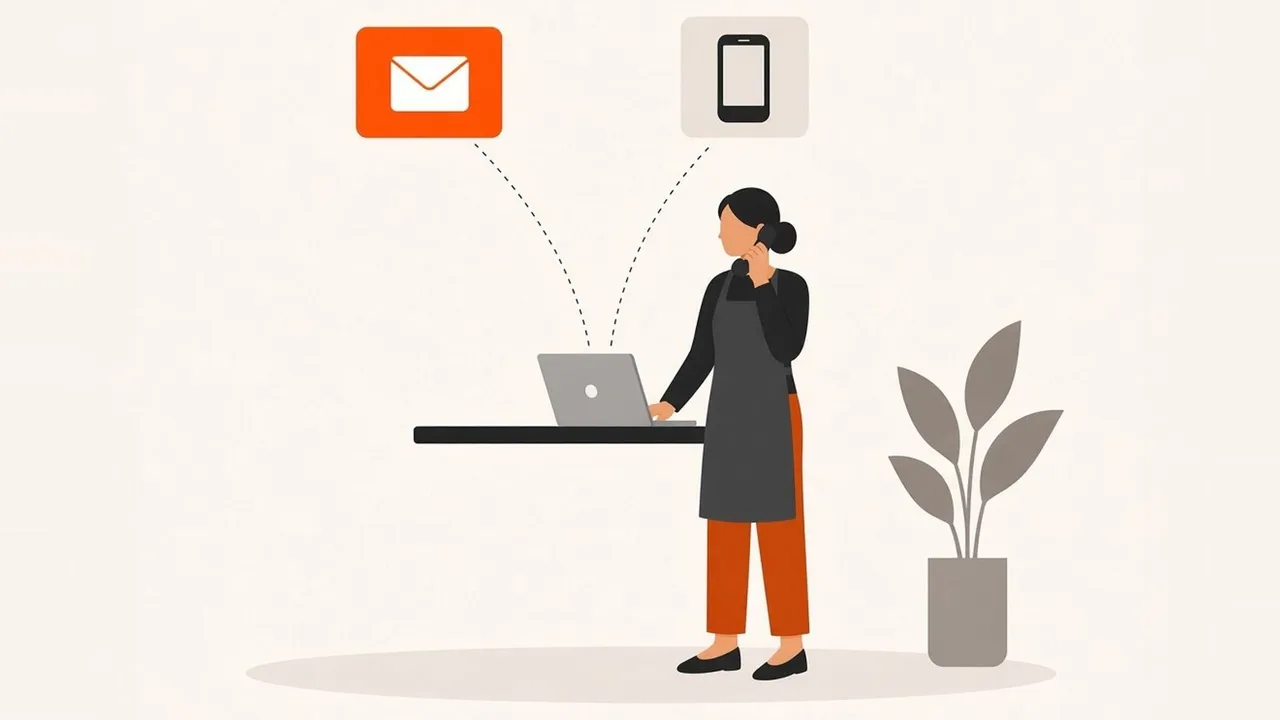
Clicks are a cost, not a result. The figure that matters is how many enquiries, bookings or sales you get, and what each one costs you. That means setting up conversion tracking before you spend much, so you can see which keywords bring in work and which only bring in visits.
It also means your website has to do its job. If people click and then leave, more budget won't help. Our guide to turning more visits into enquiries covers the basics.
When PPC suits a small business, and when it doesn't
PPC tends to work well when people search for what you offer, when a new customer is worth noticeably more than a click costs, and when you can handle the extra enquiries. It's also useful for testing demand quickly, because results show up in days rather than the months that SEO can take.
It's a harder sell when hardly anyone searches for your service, when clicks in your sector are expensive compared with what a customer is worth, or when the landing page isn't ready. In those cases it's usually better to fix the website first or look at other channels. Our comparison of SEO versus Google Ads can help you weigh it up, and our guide to what Google Ads costs covers budgets.
Frequently asked questions
Is PPC the same as Google Ads?
Google Ads is the biggest PPC platform, but not the only one. Microsoft Ads, Meta and LinkedIn also sell ads you can pay for by the click.
How quickly does PPC work?
Ads can start showing soon after a campaign is approved. It usually takes a few weeks of data to see which keywords and ads bring in enquiries, and to cut the ones that don't.
Should I run PPC myself or use an agency?
Plenty of small businesses run a simple Search campaign themselves. If you'd rather hand it over, our PPC management and Google Ads pages explain how we work.