
Lead generation is the work of getting people who might buy from you to identify themselves, usually by enquiring, booking a call, requesting a quote or starting a trial. The lead is the person or business, plus a way to contact them and a signal that they have a live need.
It is not the same as getting traffic, collecting a long list of email addresses, or running ads for their own sake. Traffic is a visit. A lead is someone who has taken a step you can follow up.
A lead is not a visit
A hundred people can read a blog post and leave without you knowing who they were. That can still be useful, especially if the page helps you get found, but it is not lead generation until someone gives you a way to continue the conversation.
In practice a lead might be a form submission, a phone call, a chat that includes a name and an email address, or a booking. A like, a view or an anonymous session is not one. If your reports celebrate sessions and ignore enquiries, you are measuring the wrong end of the job.
The channels that usually create those enquiries for a small business are SEO and content marketing, PPC and Google Ads, digital PR when coverage sends the right readers, and direct outbound work such as LinkedIn outreach. The channel is only as good as the page or conversation it sends people into.
Inbound, outbound, and the rules that come with them
Inbound leads come to you: they searched, read something, clicked an ad or followed a recommendation. Outbound leads start with you getting in touch. Both can work. They have different costs and different legal constraints.
If the method is email to people who have not asked to hear from you, that is cold email, not email marketing to an existing list. The UK rules are tighter than many templates admit; start with our guide to whether cold email is legal in the UK rather than copying a script from another country.
A focused landing page often does more for lead quality than another traffic source. People who clicked a specific offer should land on a page that matches it. Our landing page design work, the landing page examples post, and the guide to increase website conversions all sit on that last step.
Quality beats a longer list
A lead is only useful if someone can buy what you sell, in a way you want to serve, at a price you can live with. Twenty vague form fills can take more time than four detailed enquiries. Before you spend more on acquisition, agree what a good lead looks like: the service, the location or sector, the size of job, and the information you need in the form to tell the difference.
Follow-up is part of generation, not a separate luxury. An enquiry that sits unanswered until the next morning is a lead you have started to lose. So is a form that asks for a life history before anyone will talk to you.
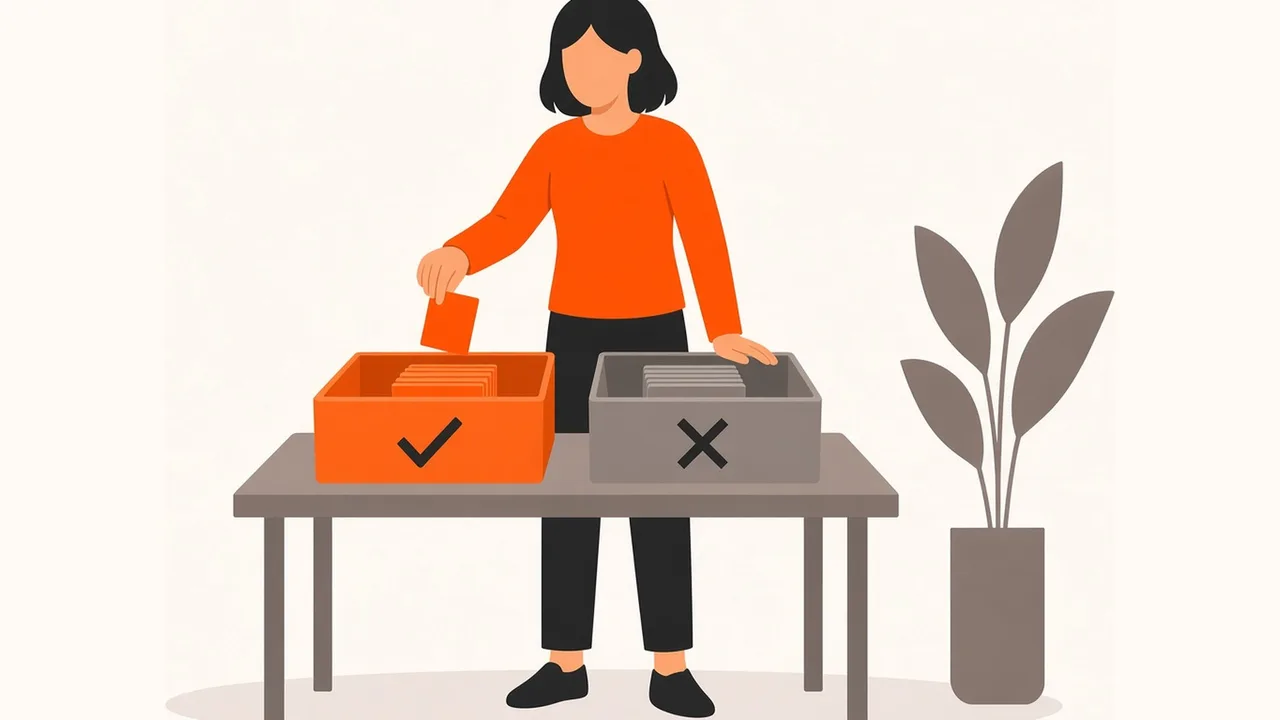
How to judge it
Count leads, but also count the ones that became conversations and the ones that became customers. Cost per lead is a poor headline if the leads never buy. Look at cost per qualified enquiry, and at the work that came from it, over a long enough window to be fair to slower channels such as SEO.
If you only do one thing after reading this, define a good lead in one sentence, add the two form fields that help you spot one, and review next week's enquiries against that definition before you buy more traffic.
Frequently asked questions
What is the difference between a lead and a prospect?
People use the words loosely. A lead is usually someone who has given you a way to contact them and a sign of interest. A prospect is often a lead you have already checked and think could buy. Use whichever labels your team will stick to, and define them.
What about generating leads from other businesses?
It is lead generation aimed at other businesses rather than at individual consumers. The methods can be the same (search, ads, outreach, content), but the buying process is often longer and involves more than one person.
How do small businesses generate leads?
Usually by a mix of being findable when someone searches, running ads against buying terms, publishing useful pages, asking existing customers for introductions, and, where the rules allow, outbound contact. The mix should follow where your buyers already look, not a generic list of tactics.