Digital PR is the practice of getting your business featured in online publications, from national newspapers to trade titles and local news sites. It looks a lot like traditional PR, because it still relies on good stories and good relationships with journalists. The difference is in what you're aiming for. As well as reaching readers, digital PR sets out to earn links and mentions that help your website rank in search and appear in AI answers.
For a small business, it's one of the most effective ways to build a reputation online. It's also one of the most misunderstood, so this post explains how it works and what you can realistically expect.
How digital PR differs from traditional PR
Traditional PR has always been about coverage and reputation. Success might be a feature in a magazine, a slot on the radio or a quote in a newspaper, and whether that piece linked to your website was largely beside the point.
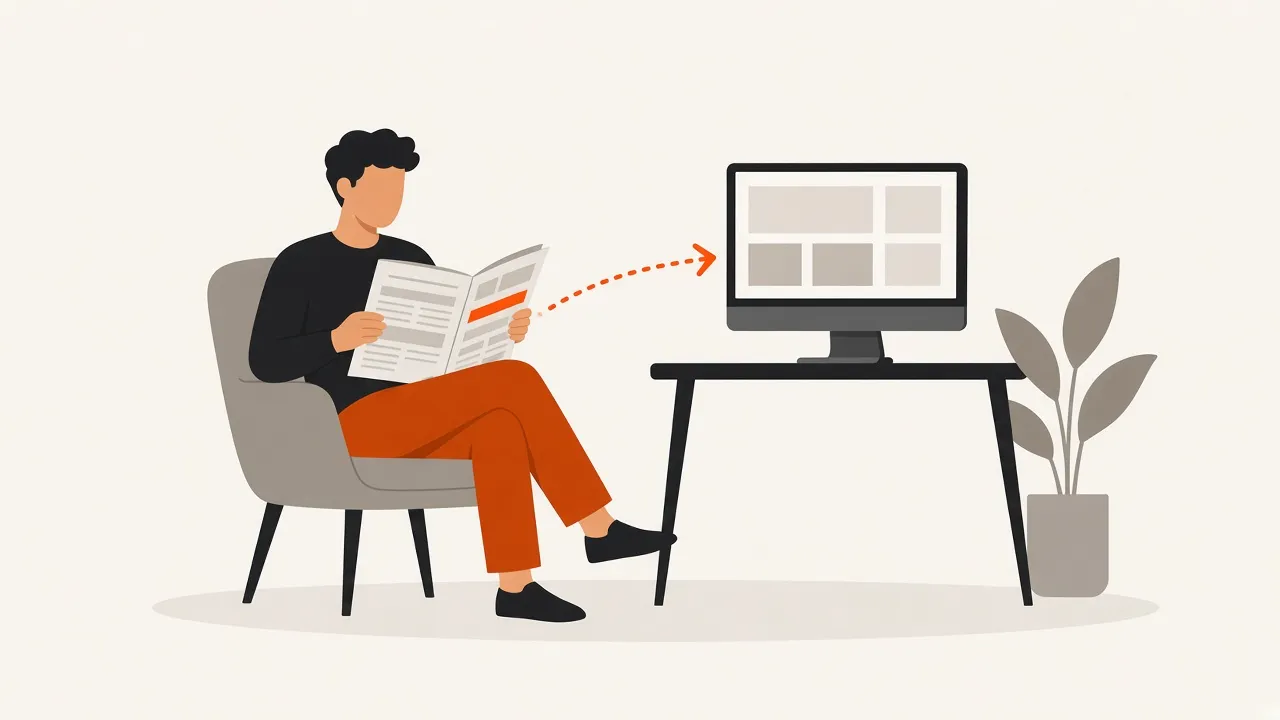
Digital PR keeps all of that but adds another layer. When a respected website writes about you and links to your site, that link carries weight with search engines. So a digital PR campaign is planned with both audiences in mind: the people who read the coverage, and the search engines that notice who's being talked about.
In practice, that means choosing publications that matter for your business and your search goals, and making it easy for journalists to link to a relevant page on your site.
Why links still matter for SEO
Search engines use links from other websites as one of the signals of how trustworthy and important a page is. A link from a well-known publication is a strong vote of confidence, because it's hard to get. A link from a site nobody reads, or one created purely to manipulate rankings, is worth little and can cause problems.
Google is clear about this. Its spam policies describe link spam as creating links primarily to manipulate search rankings, and they list buying links, excessive link swaps and paid advertorials that pass ranking credit among the examples. That's why digital PR works where many link-building shortcuts don't. You're earning links because a journalist decided your story was worth covering, which is exactly the kind of link search engines want to reward.
Links also help locally. Google's guidance on local rankings mentions that prominence is partly based on how many websites link to your business, so local press coverage helps a local business show up in map results as well as in standard searches.
How it helps with AI search
AI assistants build their answers from what's published about a business across the web. If trusted publications have written about you, there's more credible material for those tools to draw on when someone asks for a recommendation. We've covered the wider picture in our posts on generative engine optimisation and our AI SEO service, but the short version is that coverage on respected sites helps you in both places.
What a digital PR campaign looks like
Everything starts with the story. Journalists aren't interested in a business simply existing. They want something new, useful or surprising for their readers. That might be a founder with an interesting background, a business doing something unusual in its area, an expert view on something in the news, or a product that solves a problem people talk about.
Once there's a story, it needs to reach the right people. That means a pitch written for the publication, sent to the specific journalist who covers that subject, and followed up. Then comes the coverage itself, and making sure it links to the most useful page on your site where possible.
Some campaigns are reactive, responding quickly when journalists ask for expert comment. Others are planned around something the business can announce. Most good programmes use both.

What digital PR looks like in practice
We run digital PR for clients including BidScript, a bid writing software company, and Backpedal, which makes bike trackers and insurance. In each case the work starts with finding the story in the business and getting it to the right journalist.
You can read more about how we approach this on our digital PR page and in our BidScript and Backpedal case studies.
What to expect, and what to avoid
Digital PR doesn't guarantee coverage. Nobody can promise a journalist will run a story, and anyone who does is probably selling something else, such as paid placements. Be wary of packages that offer a fixed number of links for a fixed price. Those links are often on low-quality sites, and paying for links that pass ranking credit is exactly what Google's policies warn against.
What you should expect is a clear plan, honest feedback on which stories have legs, and regular updates on who's been pitched and what's landed. Over time, good coverage builds on itself, because journalists who've written about you once are more likely to come back.
Digital PR works best alongside solid SEO. If your website is slow or your service pages are thin, the extra authority from coverage won't go as far as it should.
Frequently asked questions
Is digital PR the same as link building?
No. Link building is any effort to get other sites to link to yours, and some of it breaks search engine rules. Digital PR earns links as a result of genuine editorial coverage.
Can small businesses use digital PR?
Yes. Local and trade press are often very open to stories from smaller businesses, and that coverage can be particularly valuable for local search.
How long does digital PR take to work?
Coverage can land quickly when a story is strong and timely. The SEO benefit builds over time as links and mentions add up.
Do I need a big news story?
Not necessarily. Expert comment, local angles and useful advice can all earn coverage. Part of the job is spotting the stories you didn't realise you had. If you'd like a view on yours, get in touch.