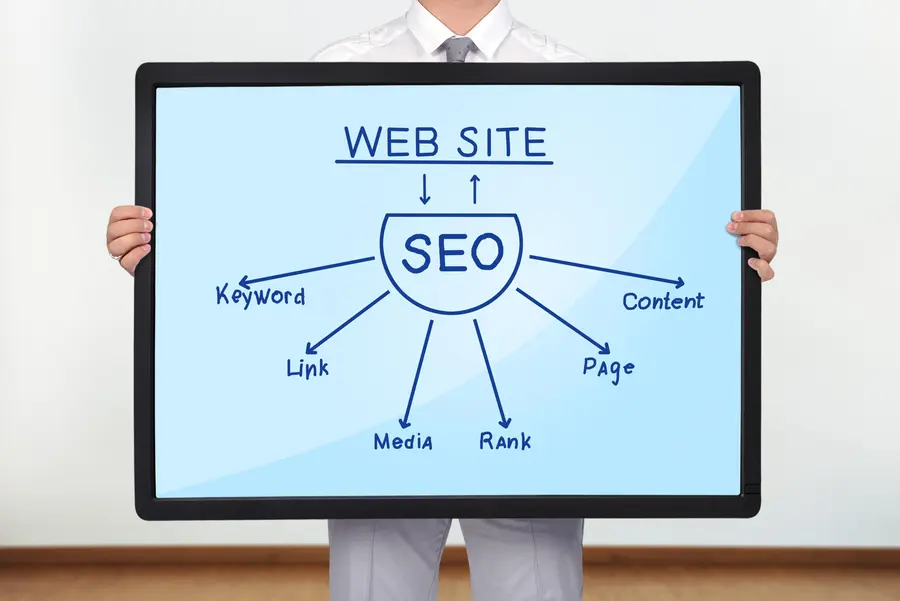
On-page SEO forms the foundation of your website’s search engine performance, yet many businesses struggle with implementing proper HTML structure. While content quality matters enormously, how that content is structured and marked up can make the difference between ranking on page one or getting lost in search results.
At Foundry Agency, we’ve seen how proper on-page optimisation transforms website performance, improving not just search rankings but user experience and accessibility. When combined with effective digital marketing strategies, a well-structured website creates a powerful foundation for digital marketing success. Search engines rely on clear, semantic HTML structure to understand and rank your content effectively.
The Foundation: HTML Heading Structure
H One: Your Page’s Main Topic
Every page should have exactly one H1 tag that clearly describes the main topic or purpose of the page. Think of your H1 as a newspaper headline—it should be descriptive, include your primary keyword naturally, and immediately tell both users and search engines what the page is about.
Your H1 should be unique across your entire website and directly relate to your page’s primary focus. This clarity helps search engines understand your content hierarchy and improves your SEO services performance.
H Two – Six: Creating Content Hierarchy
Use H2 tags for main section headings, H3 tags for subsections, and so on. This creates a logical content outline that both users and search engines can follow. Avoid skipping heading levels (don’t jump from H2 to H4) as this breaks the semantic structure search engines expect.
Well-structured headings also improve accessibility for screen reader users and create natural break points that make your content more scannable.

Meta Tags: Your Content’s First Impression
Title Tags
Your title tag is often the first thing users see in search results, making it crucial for click-through rates. Keep titles under 60 characters, include your primary keyword near the beginning, and make them compelling enough to encourage clicks.
Meta Descriptions
While meta descriptions don’t directly impact rankings, they significantly influence click-through rates from search results. Write compelling descriptions between 150-160 characters that summarise your page content and include a clear call-to-action.
URL Structure and Schema Markup
Clean, descriptive URLs help both users and search engines understand your page content. Use hyphens to separate words, keep URLs short and relevant, and include your target keyword when it makes sense naturally.
This attention to URL structure is particularly important during web development projects, where proper planning can save significant SEO issues later.
Schema markup provides search engines with additional context about your content, helping them understand not just what your page says, but what it means. This structured data can lead to enhanced search results, including rich snippets and star ratings.
For most businesses, implementing Organisation schema, LocalBusiness schema, and Article schema provides the biggest impact. Schema implementation requires technical expertise and is often best handled during professional technical SEO audits.
The User Experience Connection
Proper on-page structure isn’t just about pleasing search engines—it dramatically improves user experience. Clear headings help users quickly scan and find relevant information, while proper meta tags set accurate expectations before users arrive on your page.
This structural clarity supports your conversion rate optimisation efforts by making it easier for visitors to find what they’re looking for and take desired actions.
Auditing Your Current On-Page SEO
Start by reviewing your most important pages for basic on-page elements. Check that each page has a unique, descriptive H1, properly structured heading hierarchy, unique title tags and meta descriptions, and clean URLs.
Use browser developer tools or SEO crawling software to identify pages missing these essential elements. Many WordPress sites benefit from plugins that help manage these elements consistently.
Look for opportunities to implement relevant schema markup, optimise internal linking structure, and ensure your heading hierarchy supports your content goals. Consider how your on-page structure aligns with your overall web design and whether it guides users toward conversion actions effectively.

Implementation Best Practices
Proper on-page SEO requires collaboration between content creators and developers. Schema markup implementation, URL structure changes, and heading hierarchy optimisation often require technical implementation that goes beyond content editing.
Develop templates and guidelines for consistent on-page optimisation across your entire website. This is particularly important for larger sites where multiple team members create content.
Monitor your search rankings for target keywords, but also track user engagement metrics like time on page, bounce rate, and conversion rates. Improvements in on-page structure should positively impact both search performance and user behaviour.
Building Your Foundation
Effective on-page SEO creates a foundation that supports all your other digital marketing efforts. When your website structure clearly communicates content hierarchy and meaning to search engines, every piece of content you create has a better chance of ranking and converting visitors.
Start with the basics—proper headings, optimised meta tags, and clean URLs—then gradually implement more advanced elements like schema markup as your technical capabilities develop.
Ready to Optimise Your Website’s Structure?
Proper on-page SEO requires both strategic thinking and technical implementation expertise. At Foundry Agency, we help businesses build websites that perform well in search engines while delivering exceptional user experiences.
Whether you need a comprehensive technical SEO audit, assistance with schema markup implementation, or guidance on optimising your site’s structure for better performance, our team combines SEO expertise with technical development skills to deliver results.
Ready to unlock your website’s search potential? Contact our team today for a detailed technical SEO audit and optimisation consultation.